Purchases are not available yet. You can browse the site and sign in.
Everything here is open to everyone. No paywall, no account — just careful writing about small doses and big questions.
A neutral map of every common psilocybin microdosing protocol — the shared rules on spacing, cycles, breaks and tracking — and how to find the schedule that fits you.
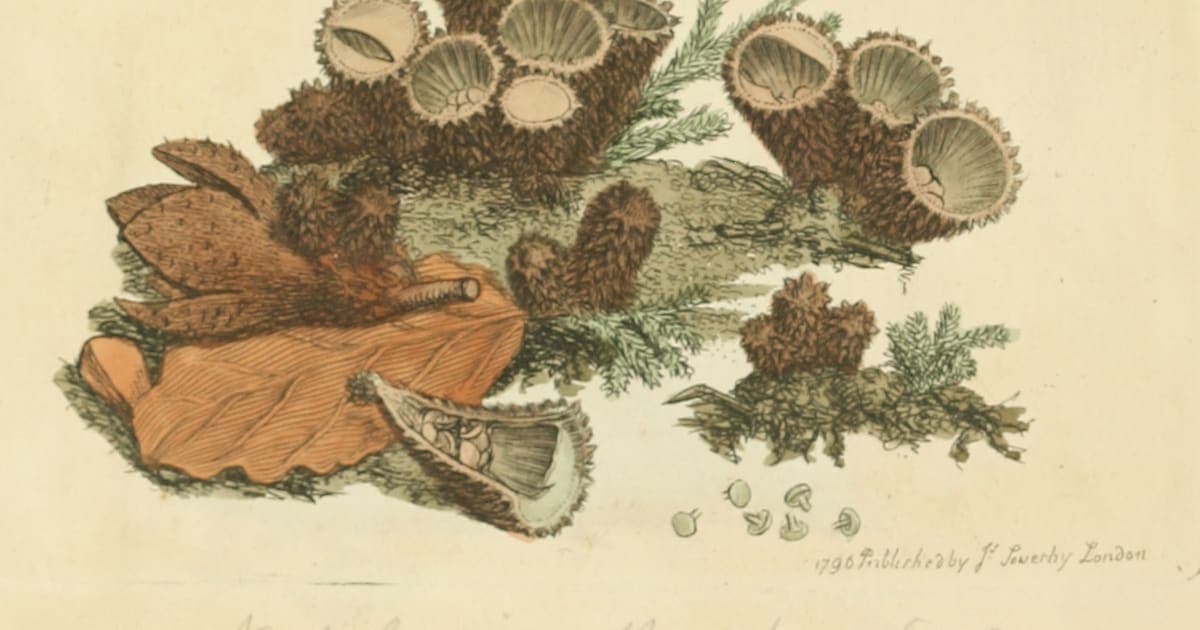
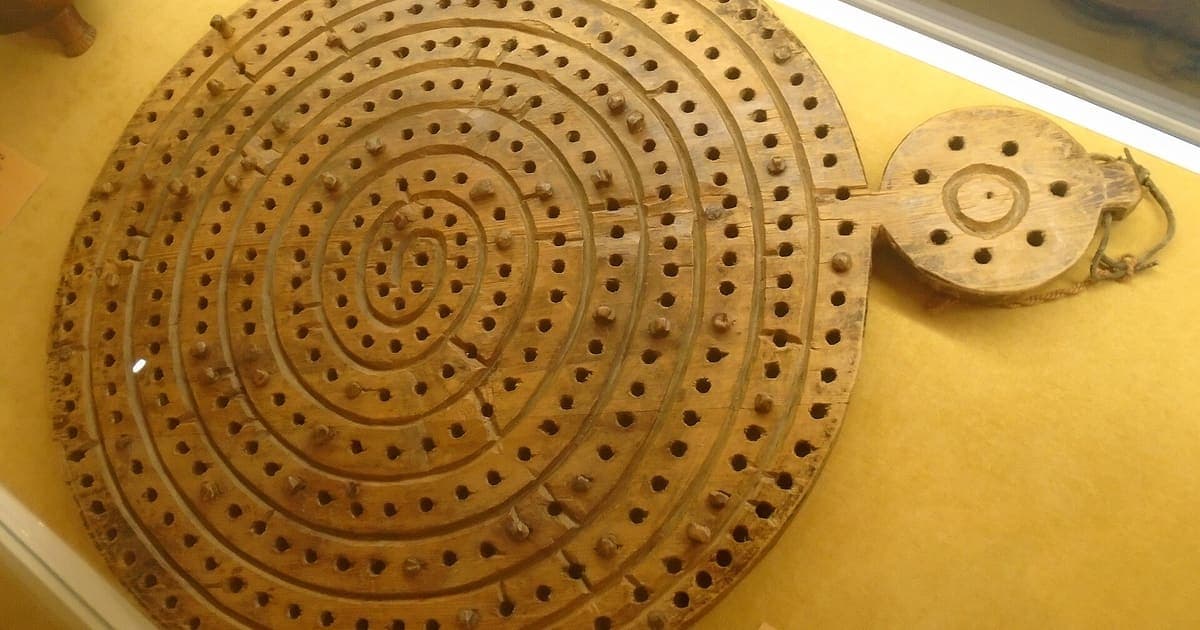
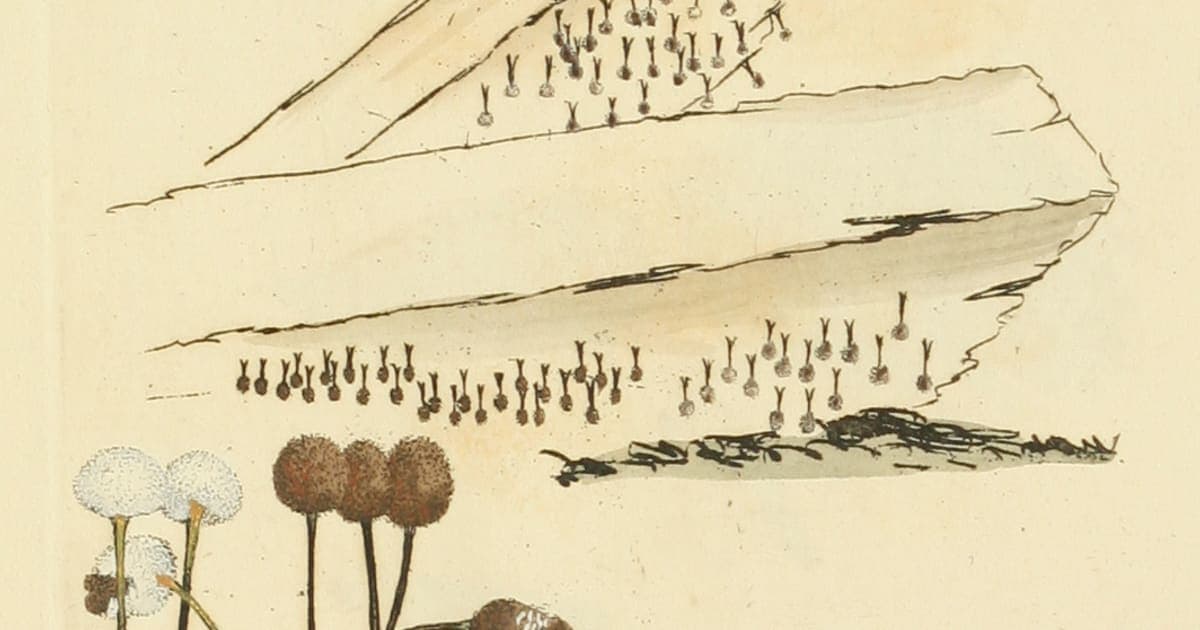
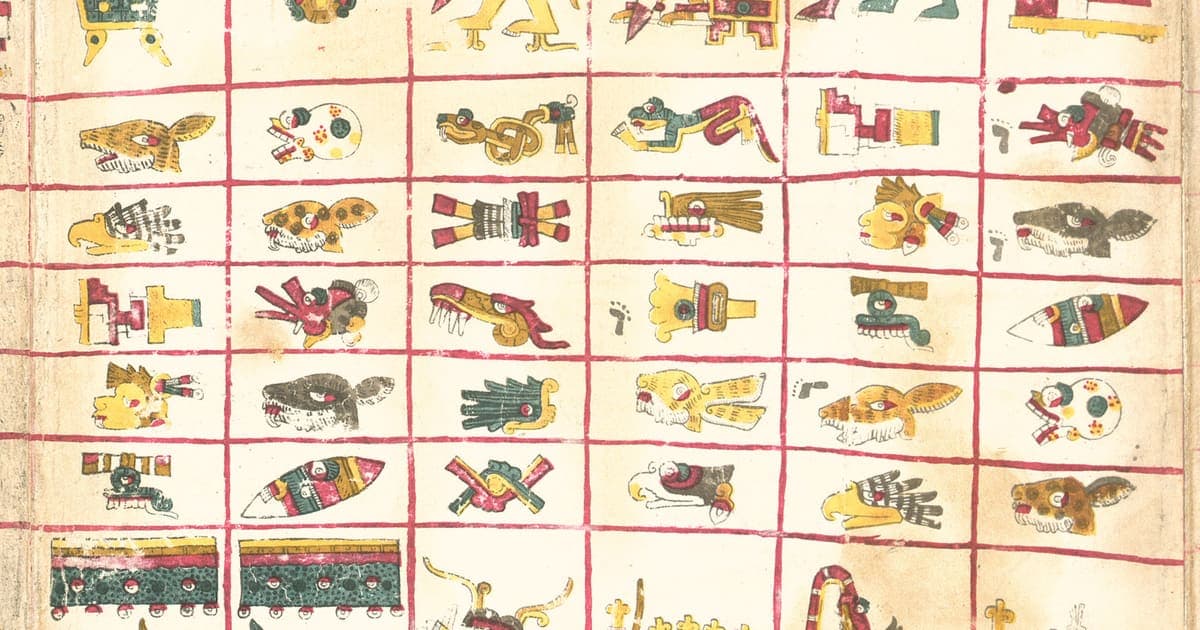
Tracing psilocybin mushrooms from contested prehistoric rock art and Mesoamerican ceremony through Wasson's 1957 disclosure to today's clinical renaissance.
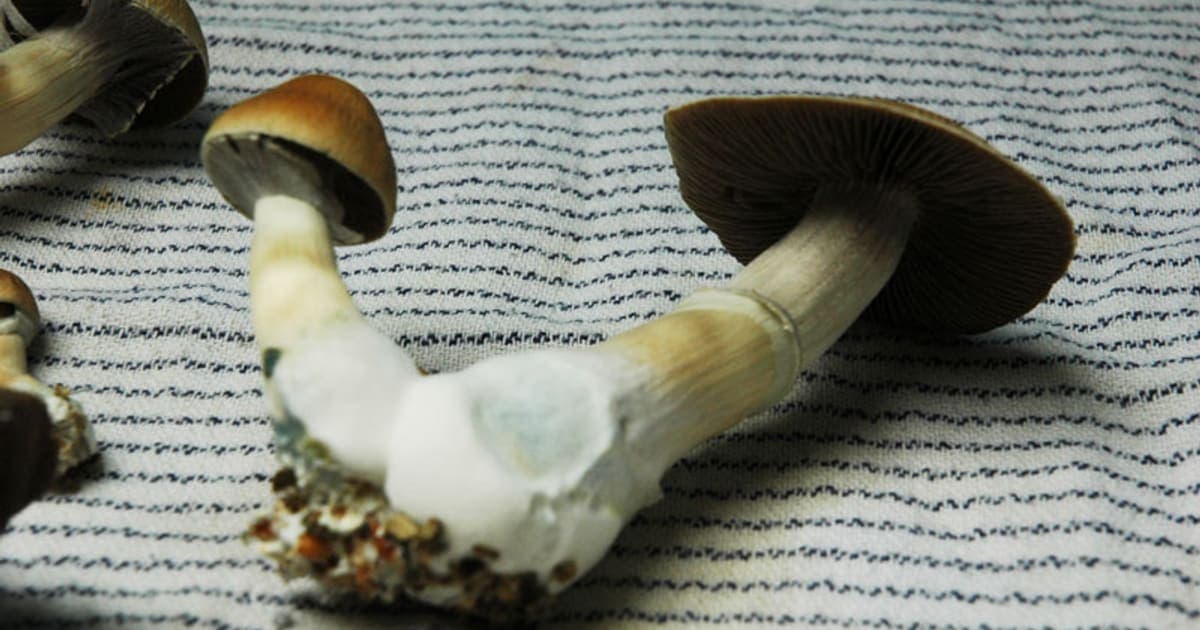
A grounded, evidence-respecting overview of microdosing psilocybin: what it is, what the research really shows, the protocols, dosing, risks, sourcing and Dutch law.
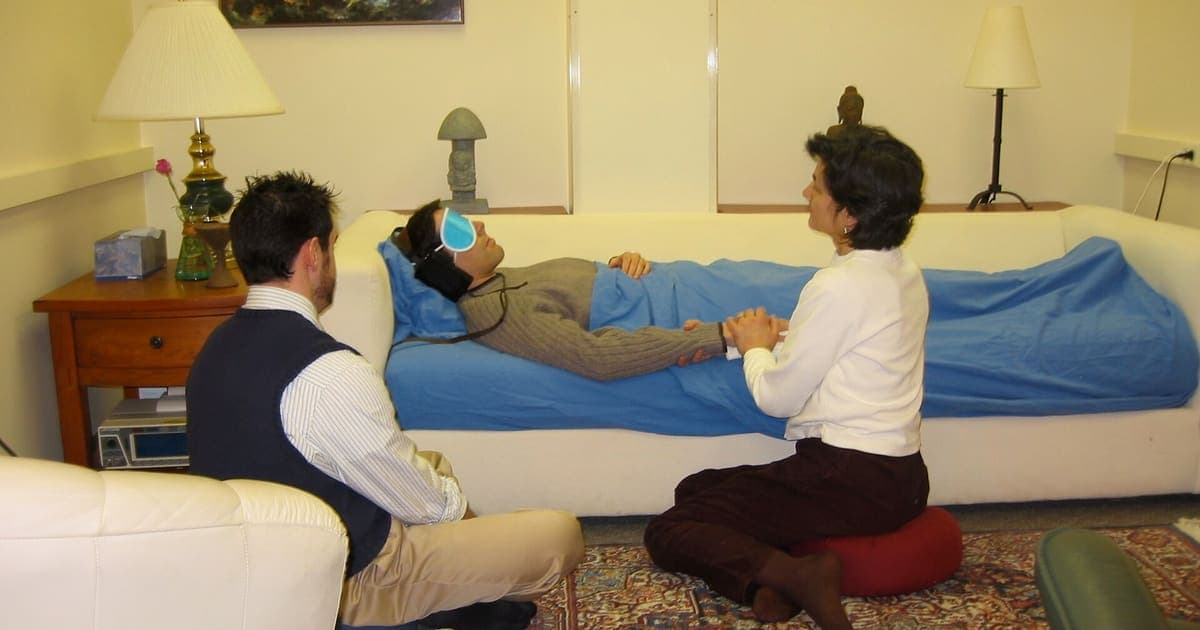
From the first hint of onset to the quiet after-hours, this honest, hour-by-hour guide walks you through what happens during a guided psilocybin truffle ceremony.
Microdosing is marketed as a cognitive nootropic, but placebo-controlled trials tell a cautious story. Here is what the controlled evidence actually shows.
Surveys show people microdose for mood, focus, creativity and anxiety — but those are self-reported intentions, not proven outcomes. Here is what the data actually say.
Psilocin — the active form of psilocybin — has a plasma half-life of roughly 1.4–2 hours. Here is what that means for microdosing timing and your day.
Comparing the 1-on/2-off and 1-on/3-off microdosing rhythms — what each does for tolerance, residual effects, and how to pick based on your own log.
Classic psychedelics carry almost no physical dependence risk — but microdosing can still foster psychological reliance. Here is what the evidence actually shows.
Many microdosers report feeling noticeably good the day after dosing — but is the 'afterglow' a real drug effect, expectation, or simply better sleep?
Controlled lab studies on low-dose LSD show modest, inconsistent shifts in vigilance and attentional lapses — not the clean cognitive boost that anecdote suggests.
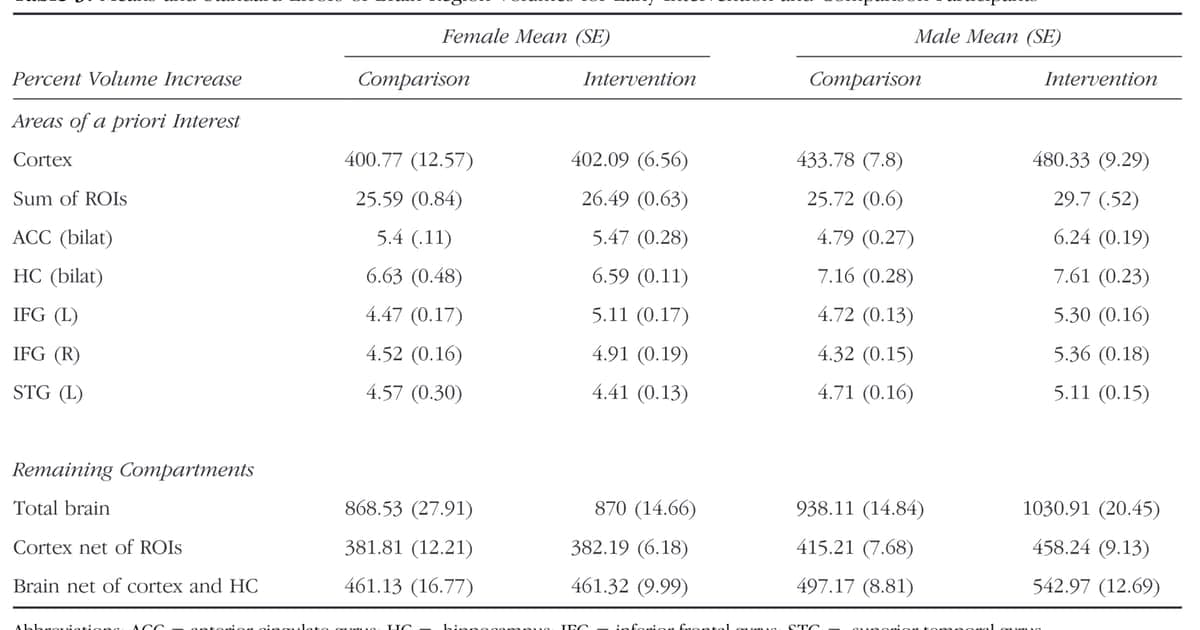
Rodent microdosing studies have produced genuinely surprising results — including a sex-specific neuronal atrophy finding. Here is what that evidence really means for humans.
Cutting screen time on microdosing off days may deepen reflection — but the evidence for 'digital detox' is modest. Here is an honest, practical guide.
Before July 2005, fresh magic mushrooms occupied a legal grey zone in the UK. The Drugs Act 2005 ended that ambiguity in a single clause.
If you microdose while in therapy, transparency with your clinician matters — and no coach or integration practice replaces licensed mental-health treatment.
Online microdosing communities offer real peer support and harm-reduction tips — but also amplify anecdote, inflated expectation, and sometimes unsafe advice. Here is what research shows.
New nationally representative data put hard numbers on psilocybin microdosing prevalence — and reveal who is doing it and why widespread use does not equal proven benefit.
Psilocybin acts on serotonin receptors, so stacking it onto MAOIs, tramadol or other serotonergic drugs can raise the risk of serotonin toxicity.
Most retreat participants stabilise within days, but a small minority experience distress or perceptual changes that persist for weeks. Here is what the evidence says and when to seek help.
Putting fresh truffles in the freezer can wipe out most of their psilocybin. Here is what the stability research shows and what to do instead.
The Johns Hopkins 2006 psilocybin study by Roland Griffiths set a new methodological standard and is widely credited with relaunching the modern era of psychedelic science.
A values-first exercise to anchor your microdosing protocol in what actually matters to you — not just productivity hacks or symptom-chasing.
Before you wire a deposit, know what a trustworthy retreat website looks like — and which red flags signal a scam or an unsafe operation.
Researchers still disagree on dose, duration, mechanism, and long-term effects. Here is an honest map of what microdosing science has — and has not — resolved.
Choosing which days to microdose during the work week is not just about tolerance — it is about avoiding the trap of dosing on your most demanding days.
Psilocybin is the stable prodrug in truffles; psilocin is what your body converts it to. That one step shapes onset, potency loss and how you store your supply.
First time microdosing? This harm-reduction walkthrough covers starting low, picking the right day, screening for risk factors, and tracking honestly.
Vague intentions like 'feel better' almost guarantee disappointment. Here is how goal-setting research helps you define what 'better' actually means before you begin.
Learn how to test if microdosing works for you — with a pre-cycle baseline, fixed variables, and honest off-day comparisons that separate real effects from expectation.
People weigh microdosing against SSRIs to avoid side effects — but the famous trial compared full-dose psilocybin, not microdoses. Here is what the evidence actually says.
Perimenopausal mood swings, poor sleep, and brain fog are driving interest in microdosing — but almost no controlled evidence exists for this population.
From 1960 to 1963, Timothy Leary and Richard Alpert ran the Harvard Psilocybin Project — and its collapse helped push psilocybin underground for a generation.
Where supervised psilocybin retreats operate within the law — and where they don't. A clear breakdown of the Netherlands, Oregon, Colorado, Jamaica, and beyond.
Psilocybin raises heart rate and blood pressure, and a theoretical 5-HT2B valve concern hangs over chronic dosing — why heart disease is a contraindication.
A growing number of US cities have passed lowest-enforcement-priority resolutions for psilocybin — but a city council vote cannot override state or federal law.
Clinical trials use precise milligram doses of pure psilocybin. Truffles are biological material. Here is why any conversion chart is an approximation at best.
How to find your microdose using a cautious step-down, step-up approach — starting low, holding steady, and only adjusting between cycles.
A step-by-step look at psilocybin truffle tea microdose preparation, the temperature limits from stability research, and why tea does not improve dose accuracy.
Psilocybin trials routinely exclude QTc prolongation and Torsade risk factors. Here is what that cardiac screening means — and why everyday risk remains low.
Lab studies show psychedelics can promote neuroplasticity via BDNF and TrkB — but translating those findings to human microdosing is a much bigger leap than the headlines suggest.
A harm-reduction guide to structuring a microdosing protocol for mood — contraindication screening, honest evidence, practical scheduling, and clear limits.
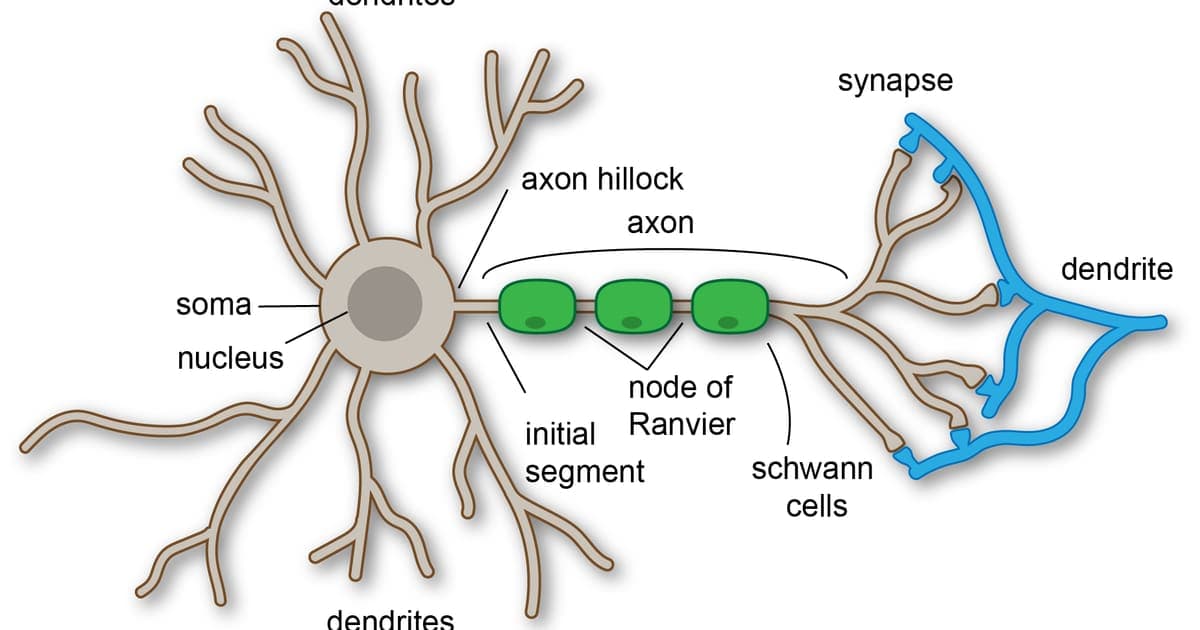
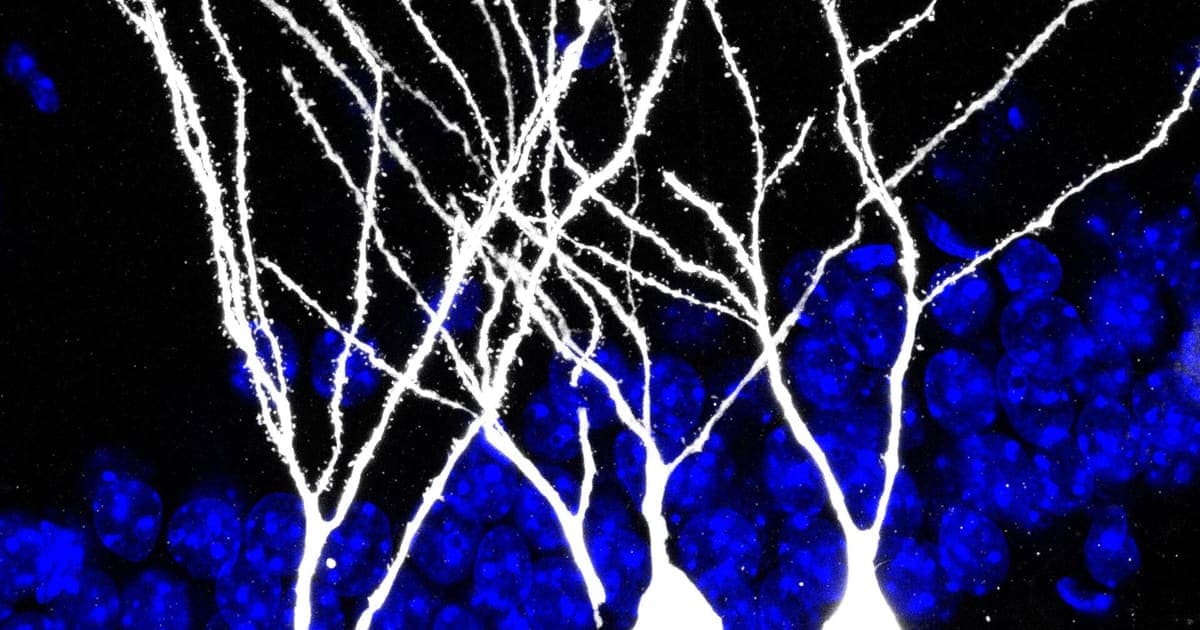
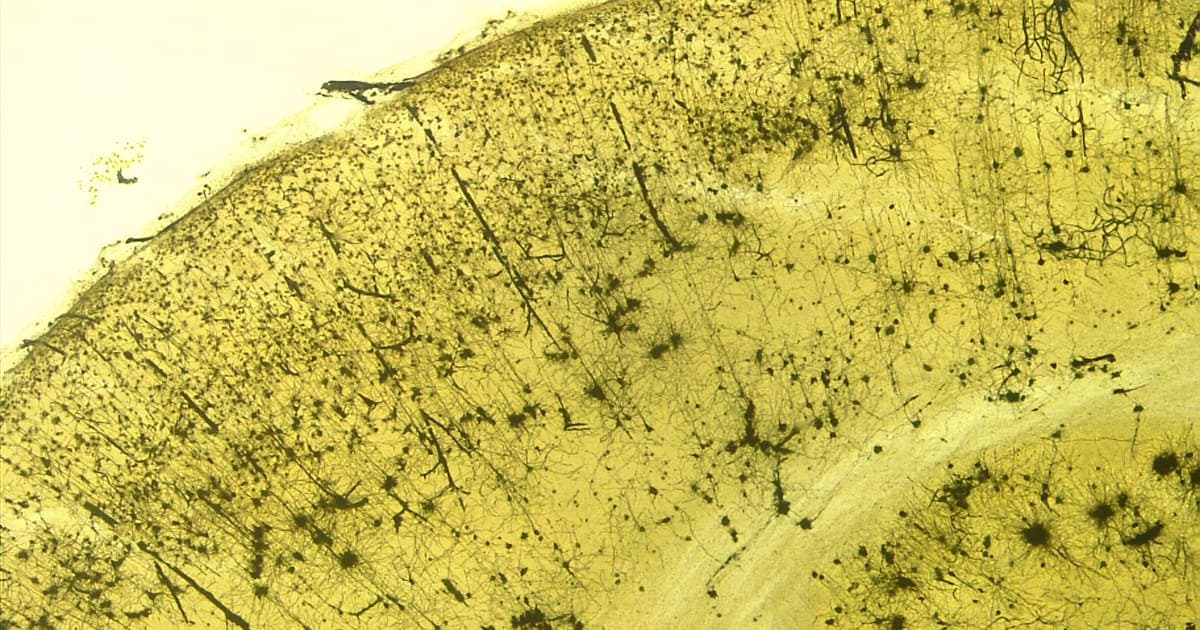
A 2021 in-vivo imaging study showed that one psilocybin dose triggered rapid, lasting dendritic spine growth in mice — here is what that finding means and does not mean for microdosing.
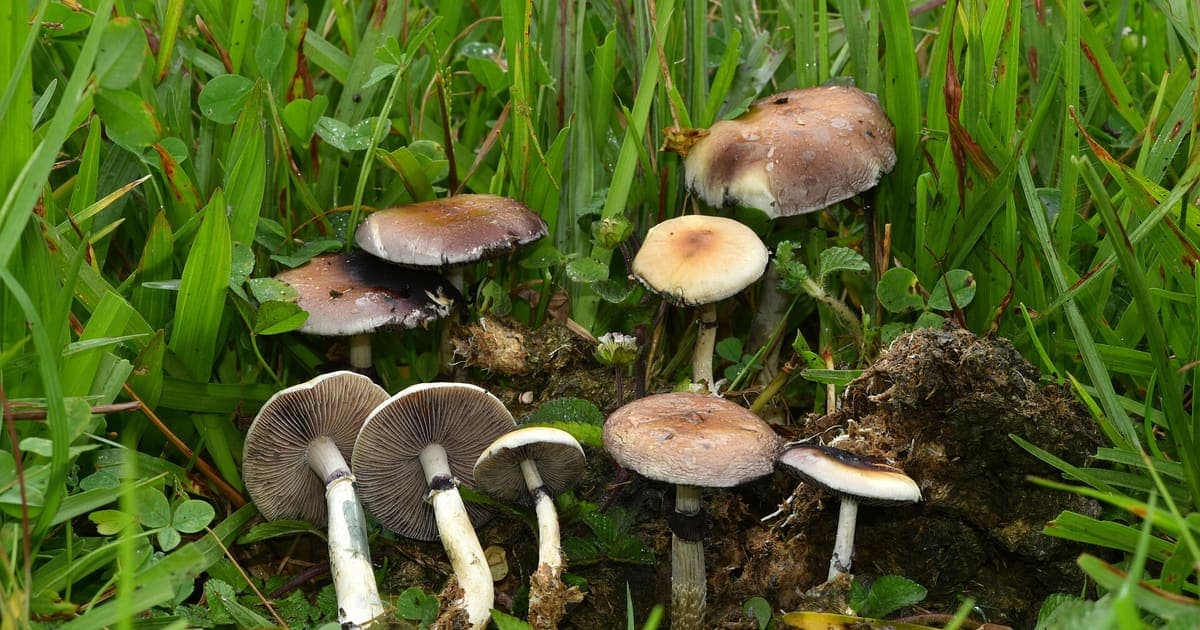
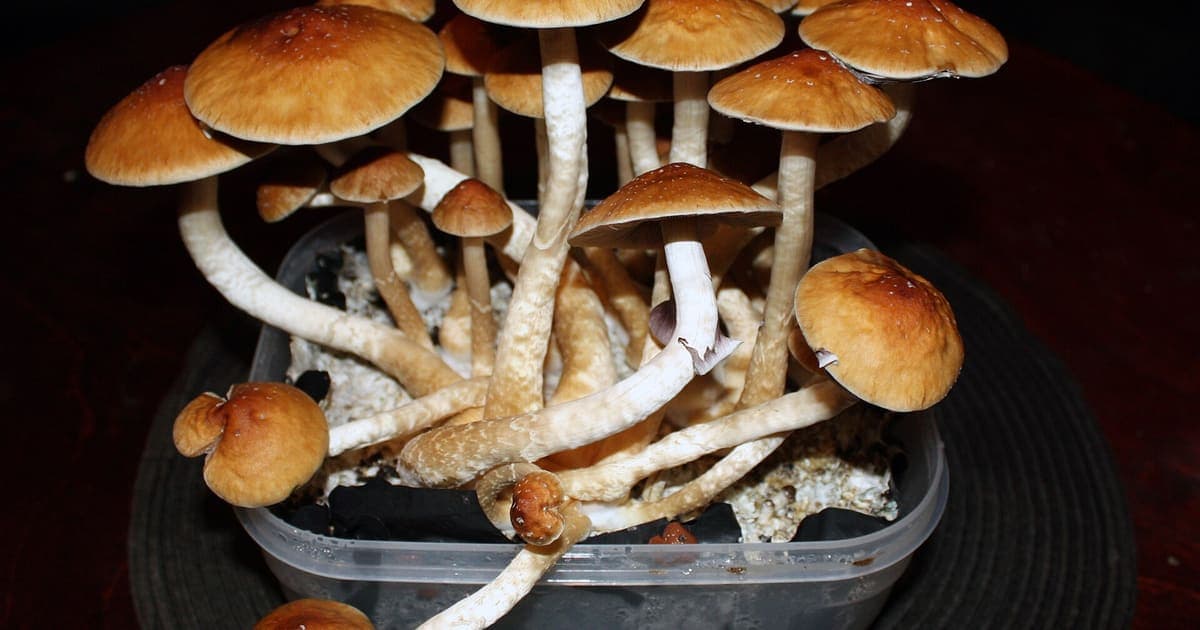
Lab data show cultivated Psilocybe species carry roughly four-fold differences in psilocybin — so the species name on the label tells you far more than a marketing strain name.
A placebo-controlled wearable study found that 10 µg LSD added roughly 24 extra minutes of total sleep — but only the night after dosing, not the dose night itself.
Scheduling workouts around dose days is common among microdosers. Here is what to consider about timing, cardiovascular effects, and when to screen first.
LSD and psilocybin are the two most-microdosed substances. They differ in dose, duration, subjective character, and legal status — here is what survey data and controlled trials show.
Rigorous self-blinding and double-blind trials suggest much of microdosing's reported benefit may be driven by expectation — here is what the evidence actually shows.
Large surveys paint an optimistic picture of microdosing. Smaller controlled trials tell a more cautious story. Here is why the two literatures disagree — and how to read both honestly.
The intuitive microdosing protocol drops the fixed calendar so you decide each dosing day — an approach for experienced microdosers that needs guardrails.
Internet culture has outpaced the science on microdosing. We sort the most common claims into what research actually supports, what remains uncertain, and what is simply hype.
From 2026 Czech psychiatrists can legally administer synthetic psilocybin for severe conditions — a supervised clinical pathway far removed from any take-home market.
Practical, evidence-informed steps to prepare your mindset and intention in the weeks before a psilocybin retreat, drawn from clinical trial preparation protocols.
Microdosing anxiety is more common than protocols suggest. Here are grounded harm-reduction steps — changing setting, breathing, pausing — and clear signs to seek professional care.
Reagent kits can confirm psilocybin is present, but they cannot tell you how much. Here is what Dutch drug-checking services actually measure — and what they cannot.
Timothy Leary's 1961–1963 psilocybin prison study claimed to cut recidivism — until a 1998 follow-up dismantled the original numbers. Here is what happened and why it matters.
Sub-perceptual doses are not validated as impairment-free. Pilots, drivers, healthcare workers and machine operators face real duty-of-care risks — here is what the evidence says.
A step-by-step batching workflow — homogenize, weigh, fill capsules, label, store — to reduce dose-to-dose variability when microdosing psilocybin truffles.
Psilocybin truffles are legal to buy in the Netherlands — but charging guests for them at a ceremony sits in a genuine legal grey area. Here is what that means.
Mexican mycologist Gaston Guzman spent decades mapping the genus Psilocybe worldwide. His 1983 monograph gave modern psychedelic science its taxonomic backbone.
The 2008 Dutch mushroom ban lists ~188 species on the Opium Act — but truffles are a different botanical structure and were never added. Here is why.
Turn a vague microdosing 'why' into a realistic plan using WOOP — Oettingen's evidence-based Wish-Outcome-Obstacle-Plan exercise — and stop relying on optimism alone.
Antipsychotics block the very receptor psilocybin acts on. Understand why this interaction matters and why it signals a deeper caution, not a dosing solution.
Niacin is the third ingredient in the Stamets stack — but why is it there, what is the flush, and when is it genuinely risky? An honest, sourced explainer.
Most reported microdosing side effects are mild and short-lived, but they are real. Here is an honest, evidence-grounded look at what users report and the longer-term unknowns.
People cite PTSD as a reason to microdose, but the evidence base for psychedelics and trauma points firmly toward supervised high-dose therapy — not unsupervised microdosing.
When R. Gordon Wasson published his 1957 account of a Mazatec velada, he unleashed a wave of seekers on Huautla de Jimenez — with lasting harm to Maria Sabina and her community.
Fresh truffles last weeks; dried ones last months to years. Here is what stability research shows about alkaloid degradation and realistic shelf-life.
The Bershad et al. (2019) study was the first double-blind lab trial of LSD microdoses — it found real dose-dependent subjective effects and small cardiovascular changes, not a flat placebo response.
Microdosing and driving is a grey zone, not a green light. Here is what cognition research suggests about impairment, plus how to plan dosing days safely.
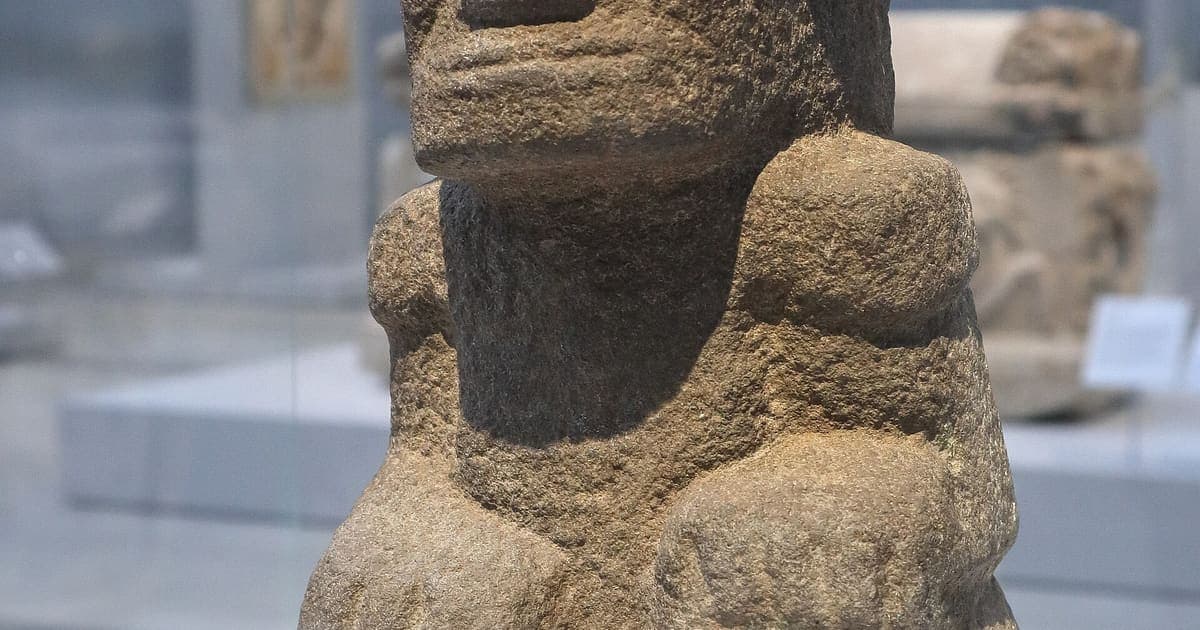
A 16th-century Aztec sculpture bears plant carvings that Wasson, Schultes and Hofmann interpreted as psychoactive species — but how solid is that reading?
That blue stain on your psilocybin truffles is a real chemical reaction — but it signals alkaloid loss, not extra potency. Here is what the science says.
Most protocols build in non-dosing days by design. Here is how to use them for movement, rest, and reflection — not just waiting for the next dose.
Psilocybin retreat contraindications include personal or family psychiatric history, certain cardiovascular conditions, and interacting medications — here is what reputable centres screen for.
Psilocybin spores may be federally uncontrolled in the US, but mushroom grow kit paraphernalia law can make cultivation equipment a serious criminal offence.
Practical guidance on choosing when to take a microdose relative to meetings, driving, and demanding tasks — plus the impairment uncertainties you should know first.
A personal or family history of bipolar disorder stacks two hazards onto microdosing — a manic-switch risk and, on lithium, a seizure risk. Here is why.
Cannabis co-use can sharply intensify a psilocybin microdose and raise anxiety risk. Learn the pharmacology and harm-reduction steps behind this common pairing.
Integration turns a microdosing practice into lasting change — learn what psychedelic integration practices are and why even sub-perceptual doses reward deliberate reflection.
Fresh and dried psilocybin truffles are not equivalent by weight — water content creates a roughly 10:1 gap that catches microdosers off guard every time.
Many people dose first thing in the morning before eating. Learn what the evidence says about food timing, nausea, and how to structure the rest of your day.
Post-journey fatigue usually passes within days. Know which psilocybin after-effects are normal and which warning signs need professional care.
The first three days after a psilocybin retreat are some of the most consequential. Here is what to expect and how clinical protocols structure that window.
The maya mushroom stones of Kaminaljuyu are Mesoamerica's most debated artifacts. What can archaeology actually prove about their ritual significance?
In May 2019, Denver voters narrowly passed Ordinance 301, making it the first US city to decriminalize psilocybin mushrooms. Here is what happened and why it mattered.
Dose consistency is the single biggest variable you can control when microdosing. Learn which milligram scales, grinders, and capsule tools reduce variation.
A history of seizures appears on every responsible contraindication list. Here is why, what lowers the seizure threshold, and why a neurologist must be involved before any decision.
Governor Newsom vetoed SB 58 in 2023, leaving California without statewide reform. Here is what that means for Oakland, Santa Cruz and San Francisco.
In April 2024 a South African High Court ruled that criminalising private adult possession and cultivation of psilocybin was unconstitutional — but supply and sale remain prohibited.
In 1958, Albert Hofmann isolated and synthesised psilocybin at Sandoz from the same species that underlies many legal Dutch truffles today. Here is that story.
Jet lag, shift rotas, and irregular weeks can knock a microdosing schedule sideways. Here is how to hold your spacing — and when to simply skip.
The Religious Freedom Restoration Act and the Supreme Court's UDV ruling created a narrow exemption path for sacramental use — but almost no petitions are granted, and it is not a route for personal microdosing.
The honest answer: expectation is powerful, the measured drug signal is small, and the question is still open. Here is what the best placebo-controlled studies really found.
Microdosing gut health claims are widespread, but the science is nearly all preclinical. Here is what the theory says — and where the evidence actually stops.
Breathwork and microdosing target overlapping goals through different mechanisms. Here is why pairing them thoughtfully beats using one as a stand-in for the other.
Three policy terms — decriminalisation, legalisation, and regulation — are constantly confused. Here is what each one actually means for psilocybin access, and why they matter.
Psilocybin and ADHD stimulants both raise heart rate and blood pressure. Combining them — especially with an MAOI — carries documented risk of hypertensive emergency.
Anxiety is among the top reasons people try microdosing — but the evidence is observational, the risks are real, and microdosing can sometimes make anxiety worse.
The research on microdosing and the menstrual cycle is almost entirely absent. Here is what the early survey signals say — and what they cannot tell you.
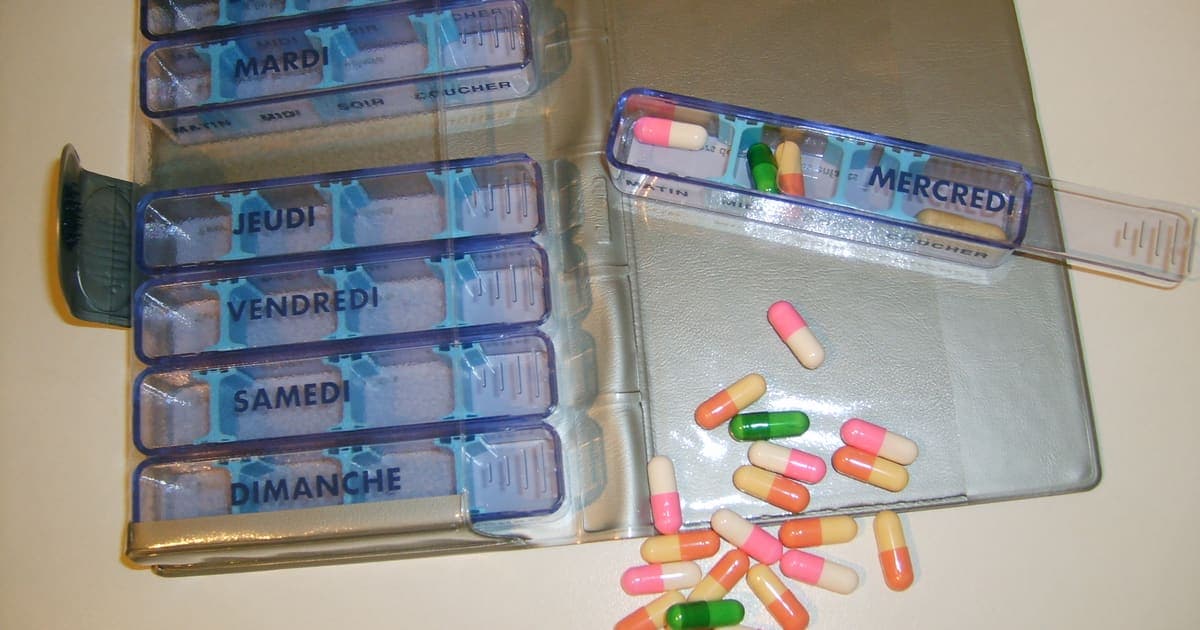
Legal Dutch truffle retreat or regulated clinical psilocybin therapy? Maps the differences in screening, supervision, evidence, and cost to help you choose.
Not sure if your microdose is hitting the mark? Learn the subtle signs of an under-threshold versus an over-threshold dose — and how to adjust safely.
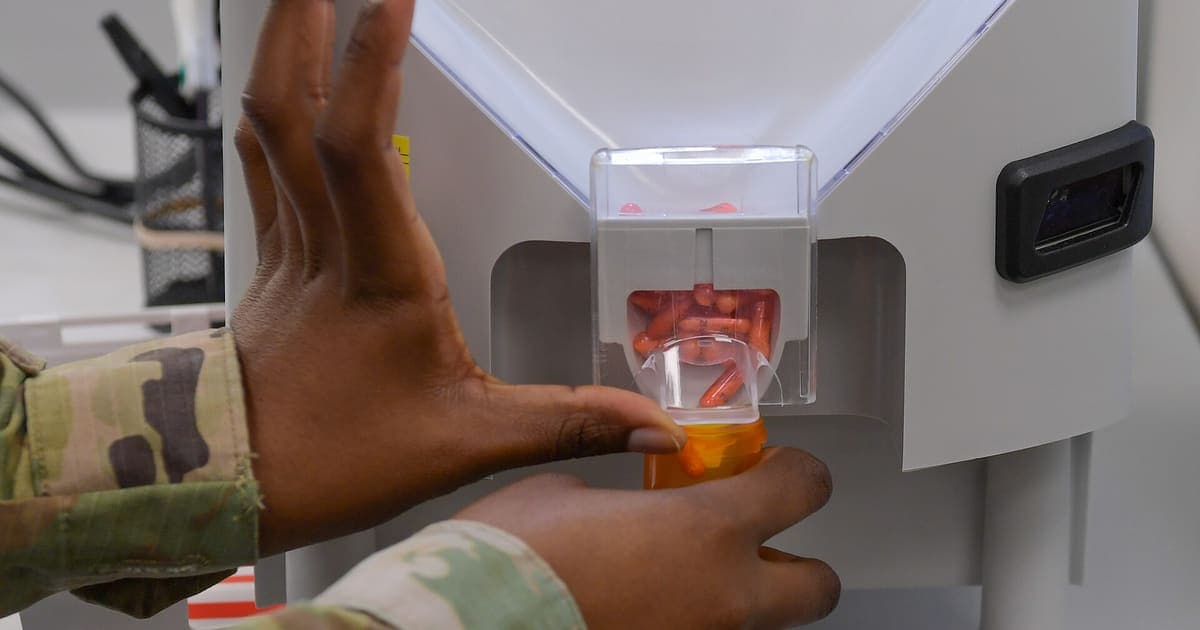
Vetting a psilocybin retreat means checking facilitator credentials, screening depth, group size, ceremony ratios, and integration support — not just price or aesthetics.
The best time to microdose for sleep is early morning. Here is what the evidence actually shows about psychedelics, sleep, and how protocol spacing protects rest.
Is psilocybin federally illegal in legal states? Yes — and the Supremacy Clause means Oregon, Colorado or New Mexico compliance offers no federal shield.
Learn practical, evidence-informed methods for logging mood, sleep, and behaviour during a microdosing protocol — so you can tell genuine shifts from expectation.
The psilocybin and SSRI interaction is more often a blunting than a crisis — but the dampened effect, and the urge to quit your meds, carry real risks.
In 1962 Albert Hofmann and Gordon Wasson returned to Oaxaca with synthetic psilocybin pills. Maria Sabina's reported verdict became a landmark in pharmacology.
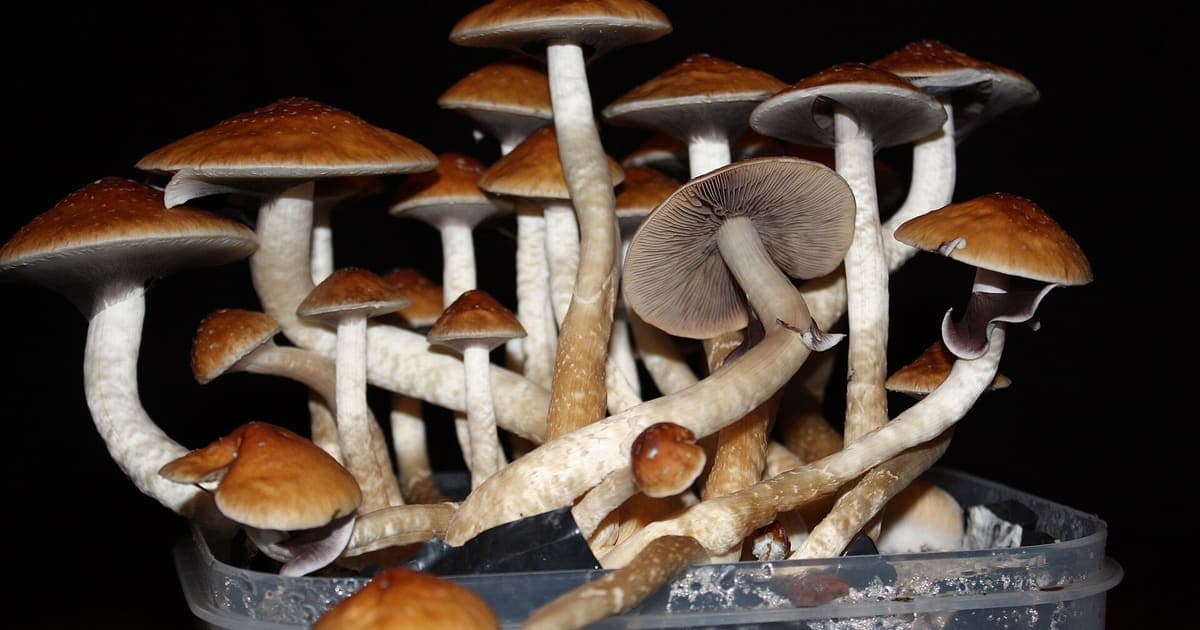
Magic mushrooms are banned in the Netherlands, but psilocybin truffles (sclerotia) were never added to the ban. Here is what that legal distinction actually means.
Psilocybin causes pupil dilation, which can raise intraocular pressure in narrow-angle glaucoma. Here is what the evidence says and why an ophthalmologist visit comes first.