Purchases are not available yet. You can browse the site and sign in.
Psilocybin Dendritic Spine Growth: What the Study Shows · Microdosing College
Science
The Dendritic Spine Study: How a Single Psilocybin Dose Rewires Mouse Cortex
By Microdosing College Editorial·Last updated August 27, 2026·7 min read
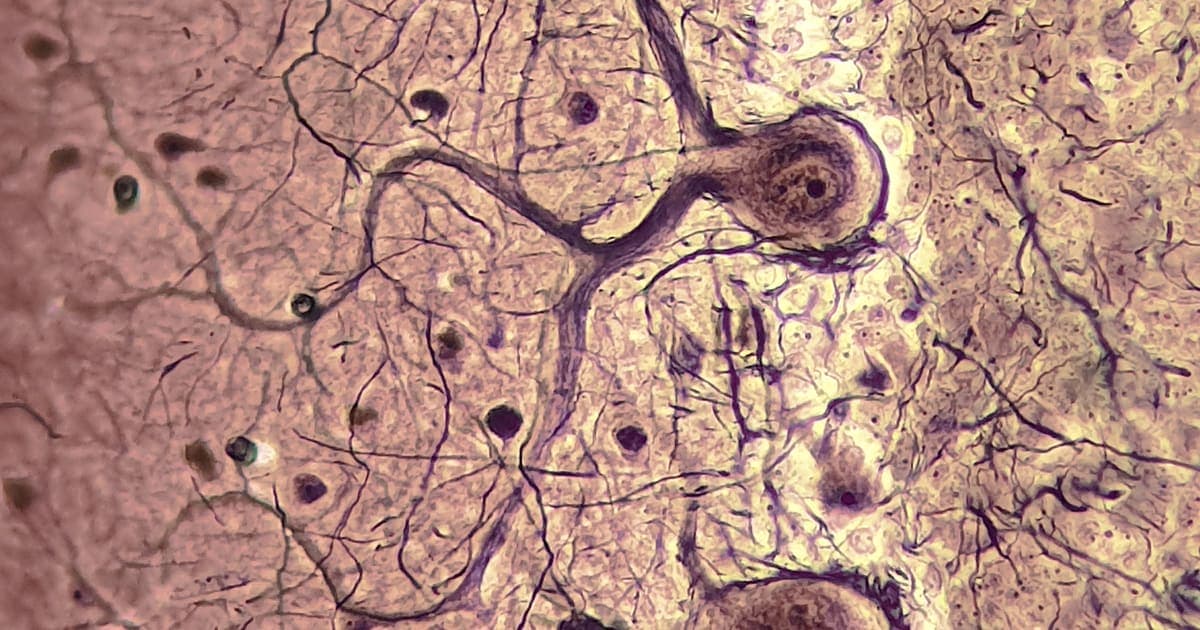
Psilocybin dendritic spine growth became a phrase that ricocheted around wellness media in 2021, triggered by a single mouse study that produced striking images of new synaptic structures forming hours after a psychedelic dose. The science is real and interesting. The extrapolation that followed — that microdosing "grows new brain connections" — mostly is not. This article walks through what the study actually showed, why it matters, and where the honest limits of the evidence lie.
This piece is a cluster article within our Science pillar. For the broader context of how psychedelics interact with brain structure, see how microdosing affects the brain and the companion piece on .
The study in question is: Shao LX, Liao C, Bhatt DL, et al. "Psilocybin induces rapid and persistent growth of dendritic spines in frontal cortex in vivo." Neuron, 2021. (ScienceDirect)
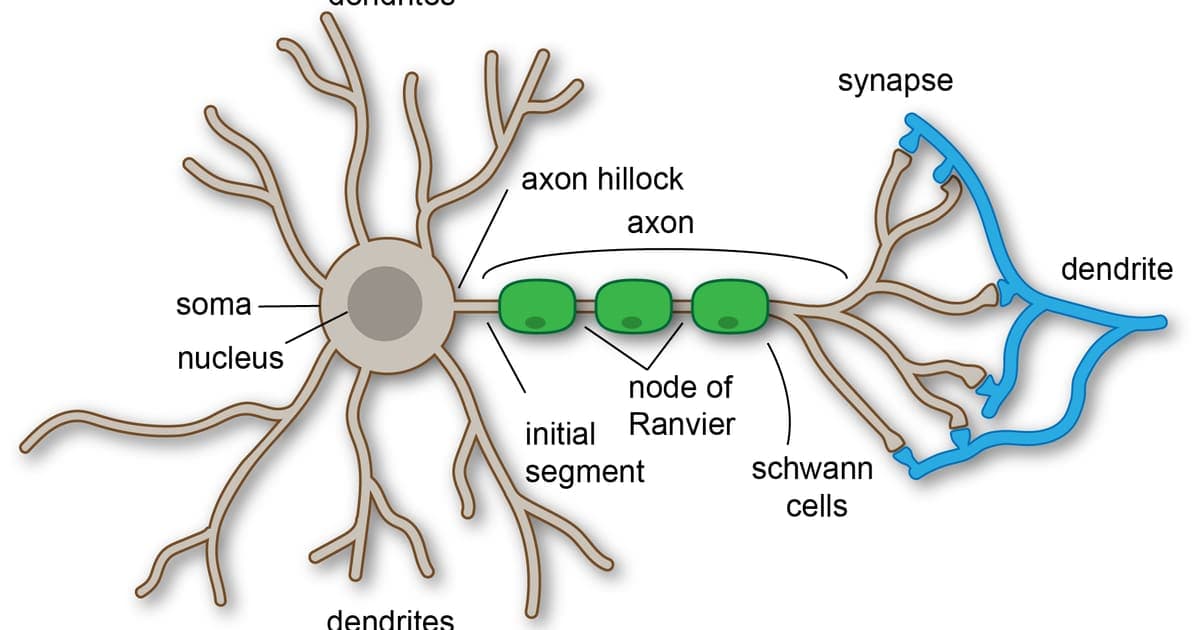
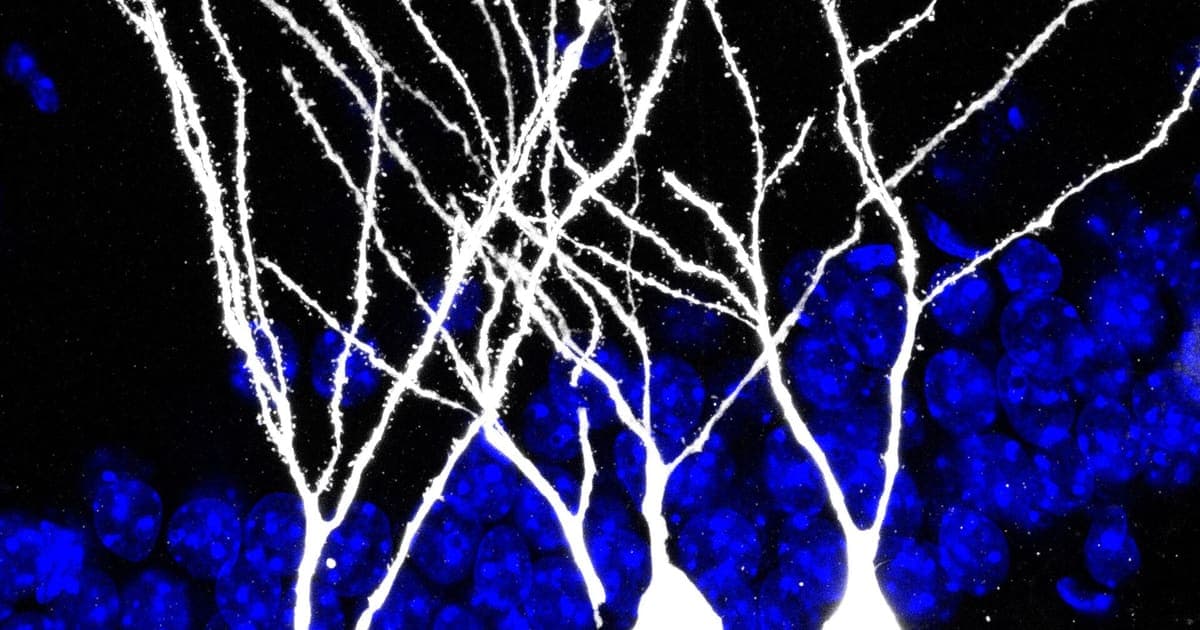
The researchers used two-photon in-vivo microscopy — a technique that allows repeated imaging of the same living neurons through a small cranial window — to watch dendritic spines in the mouse medial frontal cortex before and after a psilocybin injection. Dendritic spines are the tiny protrusions on neurons that form the postsynaptic side of excitatory synapses; more spines generally means more synaptic connections.
The key findings:
A single injection of psilocybin (1 mg/kg, intraperitoneal) caused a detectable increase in dendritic spine density in the frontal cortex within 24 hours.
Spine head size also increased — larger spines tend to carry stronger synaptic signals.
These structural changes were still measurable one month later, suggesting the effect is not merely transient.
The changes were accompanied by improvements in stress-related behavioural measures in the same animals.
The imaging data made these findings unusually convincing. Unlike many neuroplasticity studies that infer structural change from indirect markers, Shao et al. could literally watch new spines appear and persist in the same neurons over time.
What the dose was — and why that matters
Here is the part that matters most for anyone reading this in the context of a microdosing practice: 1 mg/kg in mice is not a microdose.
Converting rodent doses to human equivalents requires allometric scaling (adjusting for differences in body surface area and metabolic rate). A rough FDA-standard conversion puts 1 mg/kg in a mouse at approximately 0.08 mg/kg in a human — meaning a 70 kg person would receive around 5.6 mg of pure psilocybin. That is well within the range of a moderate full psychedelic dose, not a sub-perceptual microdose. Typical clinical trials use 25 mg for a "high dose" and 10–15 mg for a "moderate dose"; a microdose in human research is generally 0.5–3 mg.
The animals in this study experienced a full psychedelic episode — the paper reports head-twitch responses, a behavioural proxy for 5-HT2A receptor activation that does not occur at sub-perceptual doses. The neuroplastic effect observed may depend entirely on that receptor activation cascade.
This does not make the finding unimportant. It means the finding belongs to the literature on full-dose psilocybin, which is a separate body of evidence from the microdosing literature.
The proposed mechanism: 5-HT2A, TrkB, and spine remodelling
How might a single psychedelic dose trigger lasting structural changes? The current leading hypothesis involves a two-step process.
First, psilocin (the active metabolite of psilocybin — see how psilocybin becomes psilocin) binds strongly to 5-HT2A serotonin receptors, which are concentrated in the frontal cortex. This activates downstream signalling pathways, including mTOR, which promotes protein synthesis required for new spine formation.
Second, and more recently discovered, psilocin appears to bind directly to TrkB — the receptor for brain-derived neurotrophic factor (BDNF) — with roughly 1,000 times greater affinity than classic antidepressants do (Moliner et al., 2023, Nature Neuroscience). TrkB signalling is a primary driver of synaptic plasticity. This direct TrkB binding could be a second independent pathway through which psilocybin promotes structural remodelling — and it raises the question of whether lower doses, insufficient to produce full 5-HT2A activation, might still engage TrkB to some degree.
That question is not yet answered. The Moliner et al. findings are very recent and the dose-response relationship at TrkB in living brain tissue is not yet mapped. Treating TrkB binding as an established explanation for microdose effects would outrun the evidence.
The dendritic spine study is frequently cited as mechanistic support for microdosing — the logic being that if full-dose psilocybin grows new synapses, a repeated sub-perceptual dose should do the same thing, gently and cumulatively. That inference is plausible, but it is not demonstrated.
Several important uncertainties remain:
Dose threshold. Spine formation in Shao et al. was associated with 5-HT2A activation sufficient to produce head-twitch behaviour. It is unknown whether sub-perceptual doses cross whatever threshold is required to trigger comparable structural change.
Species and brain region differences. Mouse frontal cortex and human prefrontal cortex are analogous but not identical. What drives spine dynamics in one may not scale cleanly to the other.
No direct microdosing imaging data in humans. Human neuroimaging studies in this area have used fMRI (which measures blood-flow proxies, not individual spines) and at full doses. There is no published in-vivo spine-level imaging of human cortex before and after a psilocybin microdose.
Spine density is not the same as therapeutic benefit. More synaptic connections are not always advantageous. Context — which circuits are being remodelled, under what conditions — matters enormously.
Honest implications for someone considering microdosing
The Shao et al. study is a significant contribution to understanding how psilocybin changes brain structure. It does not, on its own, justify the claim that microdosing "rewires the brain" or produces lasting neuroplastic benefits.
What it does do is strengthen the scientific rationale for studying psilocybin — at full therapeutic doses — as a tool for conditions linked to impaired synaptic plasticity, including depression, PTSD and some anxiety disorders. That research is ongoing and shows genuine promise, particularly in clinical settings with professional support.
If you are considering whether microdosing might be appropriate for you, no study in mice can answer that question. Our self-screener is designed to help you think through contraindications and personal fit. We also maintain a research library that is updated as new human trial data appear.
Neither this article nor any other on this site recommends taking any substance. We describe what the science shows, note what it does not show, and encourage health decisions to be made with accurate information and, where relevant, clinical guidance.
Frequently asked
What did the 2021 dendritic spine study find?+
Shao et al. (2021, Neuron) used in-vivo two-photon imaging in mice and found that a single psilocybin injection increased the density and size of dendritic spines in frontal cortex within 24 hours. The changes were still present a month later, providing direct structural evidence that psilocybin can induce lasting synaptic remodelling.
Was the dose in the mouse study equivalent to a microdose?+
No. The 1 mg/kg intraperitoneal dose used in mice scales to roughly a moderate full dose in humans after allometric conversion — well above any sub-perceptual microdose range. The animals showed head-twitch responses, a marker of full 5-HT2A activation not seen at sub-perceptual doses.
Does this mean microdosing grows new brain connections?+
That claim is not supported by the current evidence. The dendritic spine study used full-dose psilocybin in mice. Whether sub-perceptual human microdoses produce any comparable structural change has not been directly measured with in-vivo spine-level imaging.
What is the mechanism behind psilocybin and dendritic spine growth?+
Two pathways are proposed. Psilocin activates 5-HT2A receptors, triggering mTOR signalling that promotes protein synthesis needed for new spines. Separately, Moliner et al. (2023, Nature Neuroscience) showed psilocin also binds TrkB — the BDNF receptor — at very high affinity, which is another driver of synaptic plasticity. Whether lower doses engage either pathway sufficiently to grow spines is unknown.
Are there human studies on psilocybin and brain structure?+
Human neuroimaging work at full doses — including fMRI studies like Siegel et al. (2024, Nature) — has documented changes in brain network connectivity, but these use blood-flow proxies rather than direct spine imaging. No published study has imaged dendritic spine dynamics in human cortex after a psilocybin microdose.
This guide is general educational information about microdosing, not medical advice and not a recommendation to use any substance. It can't account for your personal health. If you take medication or live with a mental-health condition, speak with a qualified professional before making any decision.