Purchases are not available yet. You can browse the site and sign in.
What to Expect at a Psilocybin Truffle Ceremony · Microdosing College
Retreats
What to Expect During a Psilocybin Truffle Ceremony — Hour by Hour
By Microdosing College Editorial·Last updated November 3, 2026·8 min read
Understanding what to expect in a psilocybin ceremony is not about removing mystery — it is about replacing fear of the unknown with honest, grounded preparation. When you know the rough timeline and the range of effects you may encounter, you are far more likely to stay oriented during intense moments and to use the experience productively. This guide walks through a typical high-dose truffle ceremony hour by hour, drawing on published research and standard facilitated-session practice.
Every reputable ceremony opens with what researchers call set and setting — the mindset you bring and the environment around you. The concept has deep roots in psychedelic research; a peer-reviewed history by Hartogsohn (2017) in Drug Science, Policy and Law documents how these two variables shape outcomes as powerfully as dose itself, consistently across decades of clinical and naturalistic reports.
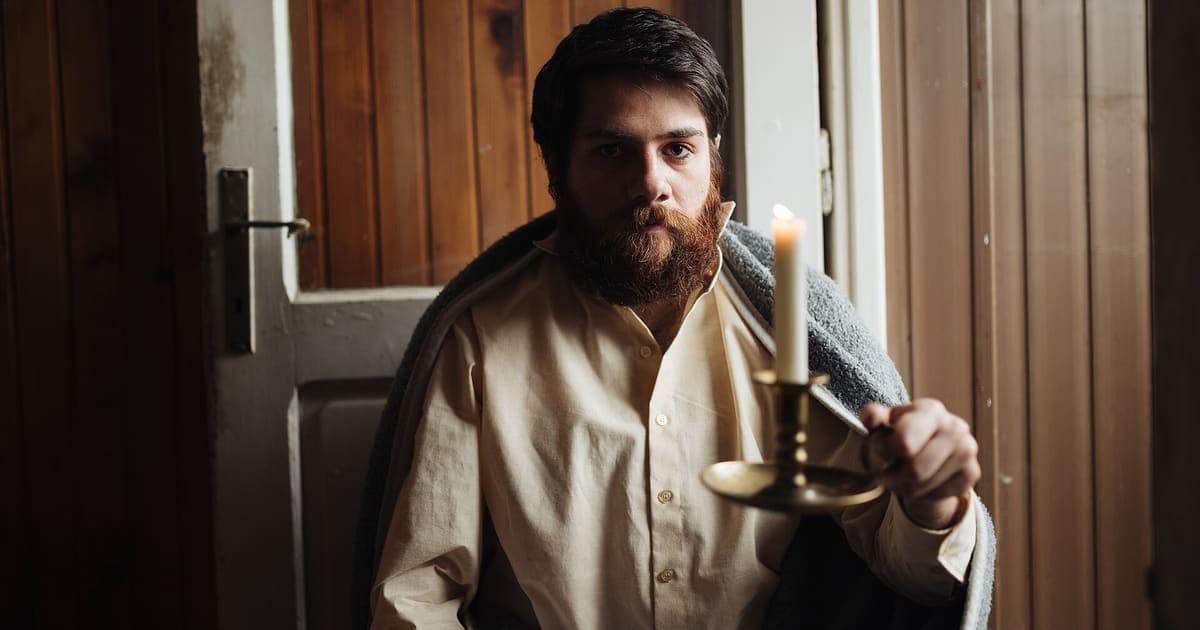
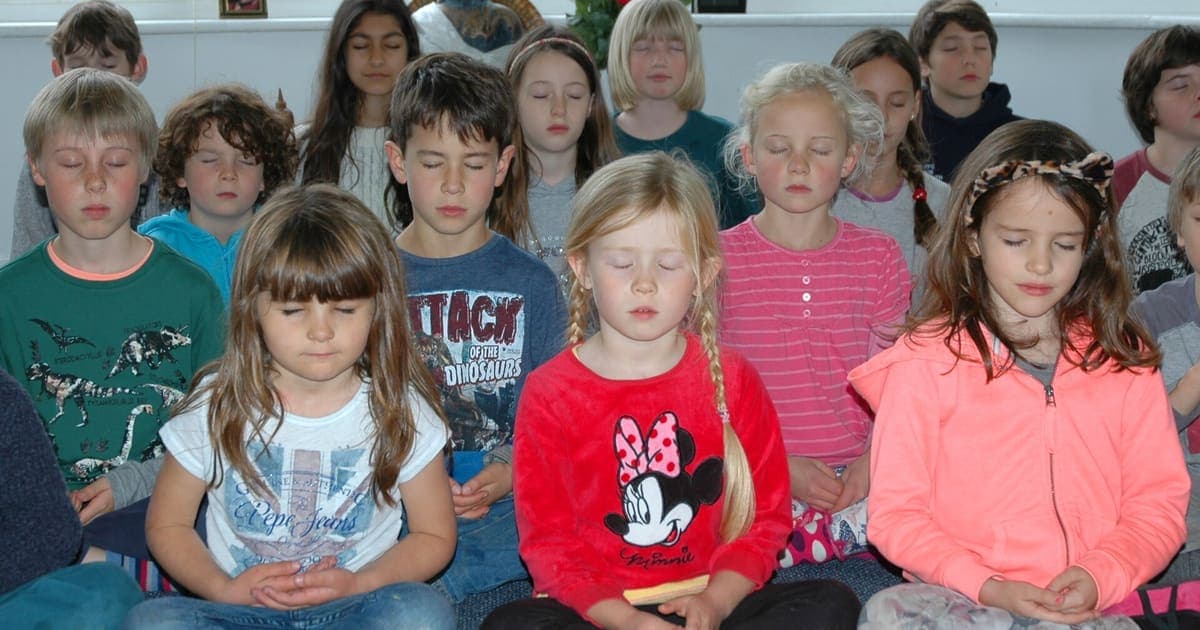
In practical terms: the facilitator will introduce themselves and the space, review your intentions, confirm any medical screening was completed, and establish clear agreements (stay in the room, ask before leaving, signal if you need support). The physical space is typically a dimly lit room with comfortable floor mattresses, blankets, an eye mask, and a curated music playlist. Some retreats incorporate a brief meditation or breathing exercise.
This opening hour is not administrative filler. It is the first act of the session. Your nervous system is already reading every signal in the room. How safe you feel in these early minutes will influence how you relate to the difficult stretches that follow.
Hour 0–1: Ingestion and Onset
Fresh psilocybin truffles are often consumed directly, or brewed as a tea to reduce nausea. Doses for a ceremonial session are intentionally high — typically 15–25 g fresh weight for most adults, though facilitators adjust for body weight, prior experience, and intention.
The European Union Drugs Agency (EUDA) profile on hallucinogenic mushrooms notes that effects begin within approximately 30 minutes and that the onset phase can include a range of physical sensations: warmth or coolness spreading through the limbs, yawning, slight nausea, and a gentle loosening of ordinary linear thinking. Most people find that lying down with an eye mask helps them move inward rather than fight the unfamiliar sensations.
If you feel apprehensive during this window, facilitators will remind you: this is not yet the medicine working at full strength. The onset is, in a sense, a calibration period. Notice what you feel, breathe slowly, and let the body do what it needs to do.
Hours 1–4: The Peak — What You May Encounter
The peak of a psilocybin truffle experience is the period of highest intensity, usually spanning roughly two to three hours at the centre of the session. The EUDA drug profile describes effects including altered perception of time and space, visual phenomena (geometric patterns, altered colours, distortion of edges), heightened emotional sensitivity, and — in higher doses — a dissolution of ordinary self-referential thinking that researchers call ego dissolution.
The range of experience is genuinely wide. Some people spend the peak in quiet euphoria, processing memories with unusual clarity. Others move through grief, fear, or confrontations with avoided truths. A large survey study by Carbonaro et al. (2016), published in the Journal of Psychopharmacology, found that among 1,993 people who described their most difficult psilocybin experience, 39% rated it among the most challenging things they had ever faced — comparable to the death of a loved one or a serious accident. At the same time, over 84% of those same respondents rated the experience as among the most personally meaningful or spiritually significant of their lives. Difficulty and meaning are not opposites in this context.
What facilitators watch for during the peak:
Surrender vs. resistance — the single most consistent finding in facilitated-session research is that resisting difficult content tends to intensify it, while releasing into it tends to allow it to move and resolve. Facilitators are trained to support this shift with presence, light touch, or quiet verbal reassurance.
Breath as anchor — if you feel overwhelmed, returning attention to the breath is the most reliable stabiliser. Facilitators and retreat protocols consistently use breath as a first-line grounding tool.
The difference between difficult and dangerous — psychological intensity is expected and, in professional settings, manageable. A physically dangerous situation (vomiting while lying down, leaving the space, cardiac symptoms) requires immediate facilitator intervention. Reputable retreats have protocols for both.
Carbonaro et al. (2016) noted that the likelihood of a challenging experience increases with dose, and that having a trusted guide physically present was among the most protective factors respondents identified. This is the core clinical argument for the guided-retreat model over solo or informal use.
Hours 4–6: The Descent and Afterglow
Psilocybin's psychoactive window, as documented in the EUDA profile, typically spans four to six hours in total. The descent — when perceptions begin to normalise and linear thinking gradually returns — is frequently described by participants as one of the most integrative parts of the session.
This phase often brings:
A sense of emotional spaciousness, sometimes including tears without obvious cause — described by many as a release rather than distress.
Spontaneous insights about relationships, habitual patterns, or life direction.
Heightened sensitivity to music, colour, and texture, even as hallucinations fade.
Physical tiredness combined with mental alertness.
Facilitators encourage participants to remain in the space rather than immediately reaching for a phone or moving into social conversation. The material that surfaces in the first hour after the peak is often the most practically useful — and the most easily lost if the attention is immediately redirected.
The Role of Facilitators When Things Get Hard
A difficult passage — sometimes called a "challenging experience" in the clinical literature — does not mean something has gone wrong. It means the medicine is doing work. What skilled facilitation provides is not interruption of that work but a steady, non-anxious presence that communicates: you are safe, this is temporary, you are not alone.
Gukasyan & Nayak (2021), writing in Frontiers in Psychology on psychedelic harm reduction and integration, describe the facilitator's role as creating conditions for the participant's own healing intelligence to operate — active enough to provide safety, restrained enough not to direct the content of the experience. In practice this may mean sitting quietly nearby, offering a hand to hold (with consent), using gentle verbal cues to re-orient, or — in rare cases — administering a low oral dose of a benzodiazepine if the participant's distress cannot be managed otherwise. Reputable retreat centres have medical oversight and emergency protocols.
If you have any condition that might complicate facilitation — a psychiatric history, heart condition, or medication you are taking — this must be disclosed at screening, before you ever arrive. Use our screener as a starting point, and read about retreat safety and screening and who should not do a psilocybin retreat before booking.
After the Session: The Work Continues
Most participants spend the evening at the retreat in quiet reflection, communal dinner, or light sharing. The first night's sleep after a ceremony is often unusually deep. In the days that follow, the experience continues to be processed — sometimes called integration — and this phase is where the long-term value of a ceremony is largely determined.
We cover integration in depth in retreat integration after a journey. The short version: schedule rest, limit stimulating media, keep a journal, and maintain your planned follow-up calls with your facilitator. If you find yourself destabilised in the weeks after a ceremony, seek support promptly rather than waiting to see if it resolves.
A truffle ceremony is not a passive event you endure and then return from unchanged. The psilocybin retreats pillar page and our retreats directory can help you find a setting where preparation, facilitation, and integration are taken as seriously as the ceremony itself.
Frequently asked
How long does a psilocybin truffle ceremony last?+
From ingestion to a return to baseline, most guided high-dose sessions span six to eight hours. The EUDA hallucinogenic mushrooms drug profile notes that effects typically begin within 30 minutes and last four to six hours; facilitators usually ask participants to remain in the space for the full window plus a settling period.
What does the peak of a psilocybin experience feel like?+
The peak varies widely by individual and dose. Common effects include altered perception of time and space, heightened emotional sensitivity, visual phenomena, and — at higher doses — ego dissolution. Some people experience profound peace; others move through fear or grief. Carbonaro et al. (2016) found that 39% of people rated their most difficult psilocybin experience among the hardest things they had faced, while over 84% also rated it among the most personally meaningful.
What happens if I have a difficult or frightening experience during a ceremony?+
Difficult passages are expected and manageable in a professional setting. Facilitators are trained to remain present and non-anxious, help you breathe, and provide grounding support without directing the content of your experience. If you feel overwhelmed, the primary guidance is to breathe slowly, keep the eye mask on, and allow rather than resist. Reputable retreat centres have medical protocols for the rare cases that require more intervention.
Is it normal to feel nothing at first after taking the truffles?+
Yes. The onset phase typically takes 30–60 minutes, and in some individuals with slower gastric absorption it can take longer, especially if consumed on a full stomach. Most protocols advise against re-dosing during this period. Your facilitator will guide you through the wait.
Do I need to prepare anything specific before attending a truffle ceremony?+
Yes — preparation significantly shapes the outcome. Standard guidance includes a light meal on the day, several days of reduced alcohol and cannabis, a clear intention for the session, and prior screening for contraindicated medical conditions. See our guide on how to prepare for a psilocybin retreat and complete the screener before you book.
This guide is general educational information about microdosing, not medical advice and not a recommendation to use any substance. It can't account for your personal health. If you take medication or live with a mental-health condition, speak with a qualified professional before making any decision.